


Article
Airfield of Dreams: Where Armstrong Learned to Fly
By: Logan Rex | August 5, 2026 (3-minute read)
On August 5, 1946, a young Neil Armstrong celebrated his sixteenth birthday with one of the most significant moments of his life, earning his pilot's license. A week later, he climbed into the cockpit alone for his first solo flight, a milestone every pilot remembers for a lifetime. Those first flights in the summer of 1946 transformed a childhood dream into a lifelong pursuit, carrying Armstrong from a small Ohio grass airfield to a career as a naval aviator, engineer, test pilot, astronaut, and ultimately, the first person to walk on the Moon.
Today, while Armstrong's achievements are celebrated around the world, the humble airstrip where his aviation journey began has quietly faded into history. Eighty years later, the story of Port Koneta in Wapakoneta, Ohio and the role it played in shaping one of history's greatest aviators is now only highlighted in museums and history articles.
In the years following World War II, small airfields sprang up in communities across the United States, fueled by the belief that returning military pilots would continue flying in civilian life. For many veterans, however, the realities of war had changed those ambitions and countless local airports struggled to survive. Port Koneta was no exception.
Just two miles north of town, local residents established a modest grass airfield for the city. Like many of the nation's postwar airports, its early promise was short-lived. After only about eighteen months, a lack of community support forced the airport to close. Yet during that brief window, another aspiring aviator was coming of age. Neil Armstrong, who had dreamed of flying since before kindergarten, was finally on the verge of earning his wings at the very place that seemed destined to disappear.
Port Koneta was modest by any measure, a 1,900-foot (579-meter) grass runway carved into an open field with a single hangar standing nearby. There was no control tower, no paved taxiways, and little to distinguish it from hundreds of other small airports scattered across rural America. Yet for one determined teenager, it became the gateway to a lifetime in aviation.
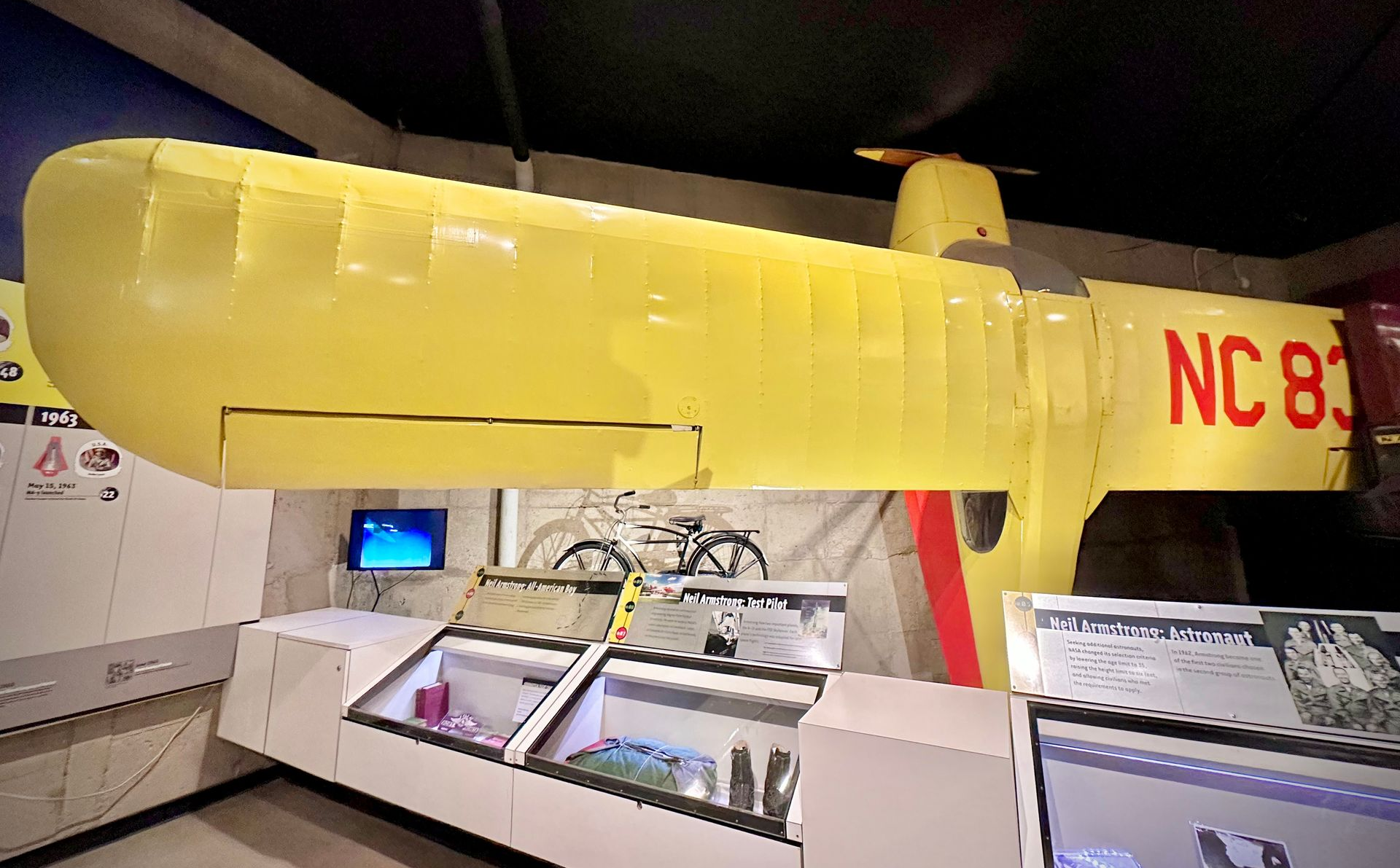
Among the aircraft tied down outside the hangar were several surplus Army airplanes, an Aeronca Chief, and three Aeronca Champs. It was one of those Champs that Armstrong flew while earning his pilot's license. The high-wing, tandem-seat trainer was simple and affordable. Built by the Aeronca Aircraft Corporation in Middletown, Ohio, each sold for approximately $2,200, making it a very popular training aircraft.
Three instructors operated at Port Koneta: Charles Fickenbine, Frank Lucie, and Aubrey Knudegaard. Armstrong trained primarily with Lucie and Knudegaard and later recalled in his 2005 authorized biography, First Man, that they were "excellent pilots," although, as he humorously admitted he had nothing to compare them against.
Learning to fly before he was old enough to drive created an unusual challenge. Every Saturday morning, Armstrong still had to find a way to reach the airport. Sometimes he caught a ride with friends. Sometimes he hitchhiked. More often, he pedaled his bicycle the 3.9 miles (6.2 kilometers) from his family's home to Port Koneta.
Flying was also expensive. Lessons cost $9.00 per hour, while Armstrong earned just 40 cents an hour working at Brading's Drug Store. He calculated that every hour in the cockpit required roughly twenty-two and a half hours of work, a trade he gladly made for the opportunity to fly. Aviation fuel was also about 45 cents per gallon, nearly double of what regular automobile gasoline was going for. The airfield had one pump in a semi-circle that pilots could fill up with.
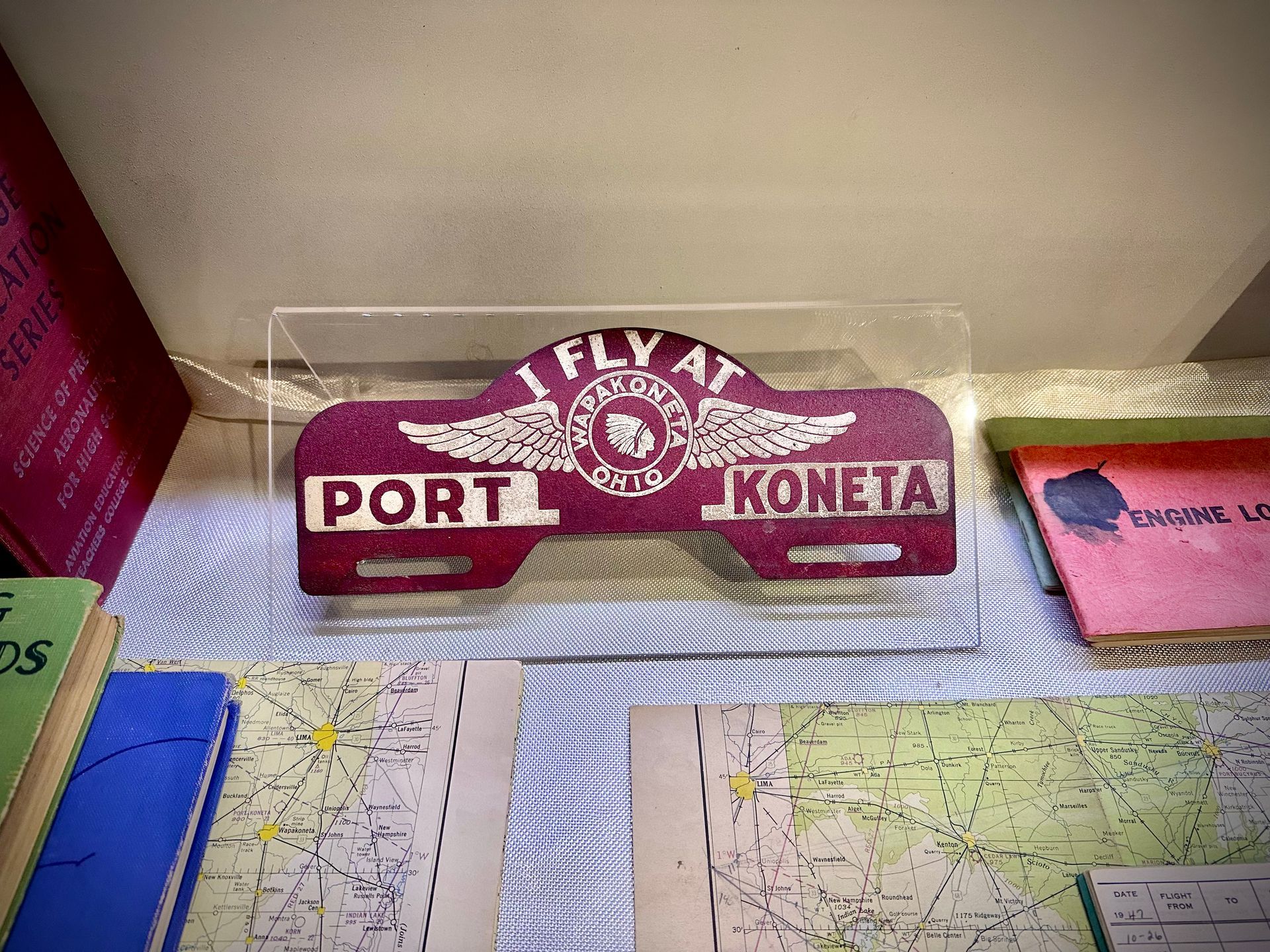
Today, Port Koneta itself has long since disappeared, but its story has not. The Aeronca Champ in which Armstrong earned his pilot's license, a bicycle like the one he rode to the airport for flight lessons, and artifacts from the little grass airfield have all been preserved by the Armstrong Air & Space Museum. Together, they serve as tangible reminders that history's greatest journeys rarely begin on grand stages. Sometimes, they begin on a quiet grass runway just outside a small Ohio town.
share this
Related Articles
Related Articles