


Article
10 Myths About Neil Armstrong
By: Logan Rex | June 18, 2026 (5-minute read)
More than half a century after he took humanity's first steps on the Moon, Neil Armstrong remains one of the most recognizable explorers in history. As commander of the Apollo 11 mission, Armstrong cemented his place in the history books and was transformed into a global symbol of exploration and human achievement. Yet, with fame comes decades of rumors, misunderstandings, and inaccurate stories about the humble Ohio aviator. These fabricated stories have entrenched themselves as American lore over the decades, often obscuring the reality of Armstrong's life and accomplishments. This article examines ten of the most common myths and misconceptions about Neil Armstrong and separates fact from fiction.
Myth: From an early age, Armstrong dreamed of flying on rockets, becoming an astronaut, and walking on the Moon
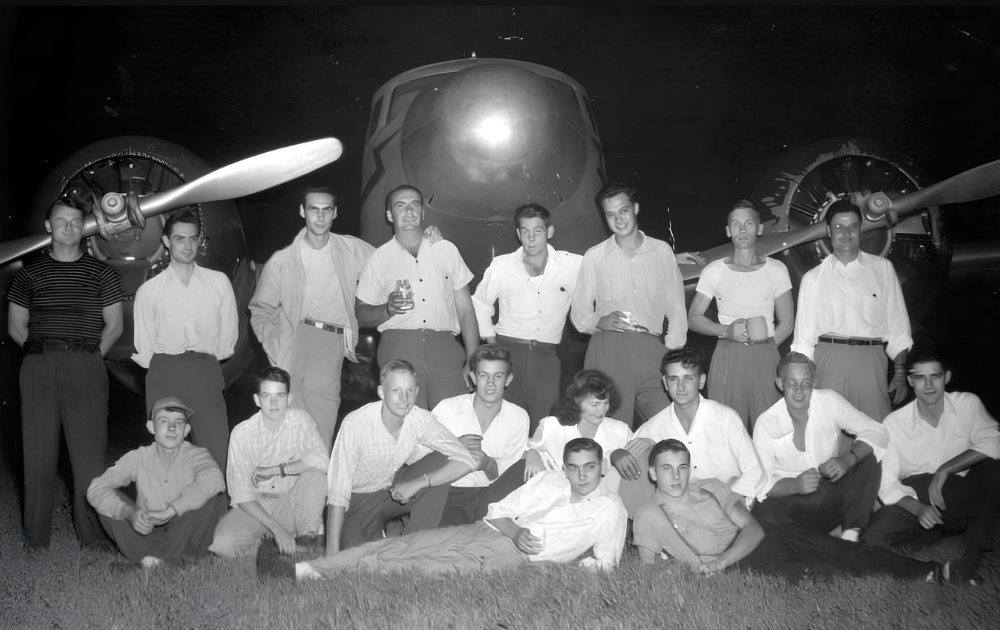
As Neil Armstrong's fame grew, so did stories about his childhood ambitions. One of the most enduring local tales claimed that, as a teenager, he told a science teacher he would one day walk on the Moon. Armstrong himself later dismissed the story in interviews and his biography, confirming it never happened. Another widely circulated claim involved Wapakoneta amateur astronomer Jacob Zint, who reportedly said the young Armstrong frequently visited his homemade observatory to indulge an obsession with the Moon. The story gained national attention in 1969 but was later downplayed by Armstrong, who said the account had been greatly exaggerated. His true passion was in aviation and becoming a pilot and eventually an aeronautical engineer. Armstrong was a member of the American Rocket Society as a young teen, but at the time, rockets were still a relatively new field and their use for human space travel was still in the early infancy of possibility.
Myth: As a combat naval aviator in Korea, Armstrong shot down numerous enemy aircraft and killed targets during missions.
While Armstrong did fly 78 combat missions as part of the VF-51 "Screaming Eagles" squadron in Korea, he had zero confirmed kills or aerial combat victories during his time. Most of his missions consisted of aerial reconnaissance, close air support, and bombing enemy supply lines, bridges, and transportation corridors. It is neither recorded nor specifically identified if any of these attacks had direct casualties. Armstrong was deployed in Korea for roughly nine months on the USS Essex, having a total of 121 flight hours.
Myth: Buzz Aldrin was originally chosen over Armstrong to be the first person on the Moon.
Aldrin was never specifically chosen by NASA to be the first person on the Moon. Before the Apollo 11 mission, NASA protocol had the mission pilot, rather than the commander, conduct extravehicular activities, or spacewalks, during the mission. For lunar landing missions, the commander was positioned closest to the lunar module hatch, making it easier for them to exit the craft first. Armstrong was also widely respected for his calm demeanor, humility, and ability to perform under extraordinary pressure, qualities that made him an ideal representative for such a historic moment. In later years, Flight Crew Operations Director Deke Slayton remarked that, had circumstances been different, he believed astronaut Gus Grissom might have been a leading candidate for the honor. Grissom, however, tragically lost his life in the Apollo 1 fire in 1967.
Myth: NASA crafted the famous first words for Armstrong to say as he took that famous first step on the Moon.
Armstrong has stated that he came up with the famous, "That's one small step for a man, one giant leap for mankind," quote after landing the lunar module on the surface of the Moon. Armstrong said that a number of people gave him suggestions on what to say, but ultimately none of them were the famous first quote. Armstrong's brother, Dean Armstrong, stated that Neil privately told him what he'd say while on the Moon, but historians find this account to be inaccurate. Neil did say that, by the Apollo 11 launch, he did have a "kernel" of an idea about the 'one small step' quote, but nothing was formulated completely until on the lunar surface.
Myth: Neil Armstrong messed up his famous quote and said, "that's one small step for man" without an "a."
While still debated, over the course of his life, Armstrong insisted that he said "that's one small step for a man," and had included the crucial "a" in his first words, although he has also admitted the audio recording makes it hard to hear. Without the article "a," the phrasing "man" and "mankind" would mean the same thing. A 2006 computer analysis of the audio recording showed a 35 millisecond sound wave where the article was placed, but due to a mixture of static, the microphone system, and Armstrong's Midwest Ohio accent, the sound was not detectable to the human ear through radio transmission. Scholars to this day still debate the quote itself. Officially, NASA uses the phrase "that's one small step for [a] man," with brackets around the article to recognize the debate. The Armstrong Air & Space Museum in Ohio recognizes 'a man' as Armstrong's original intent and likely wording, based on Armstrong's own statements regarding the article. Armstrong also stated that there has been too much debate and nitpicking around the phrasing itself, with the dispute taking focus off of the historic achievement.
Myth: NASA cut out two-minutes of audio from Armstrong and Aldrin, talking about alien spaceships.
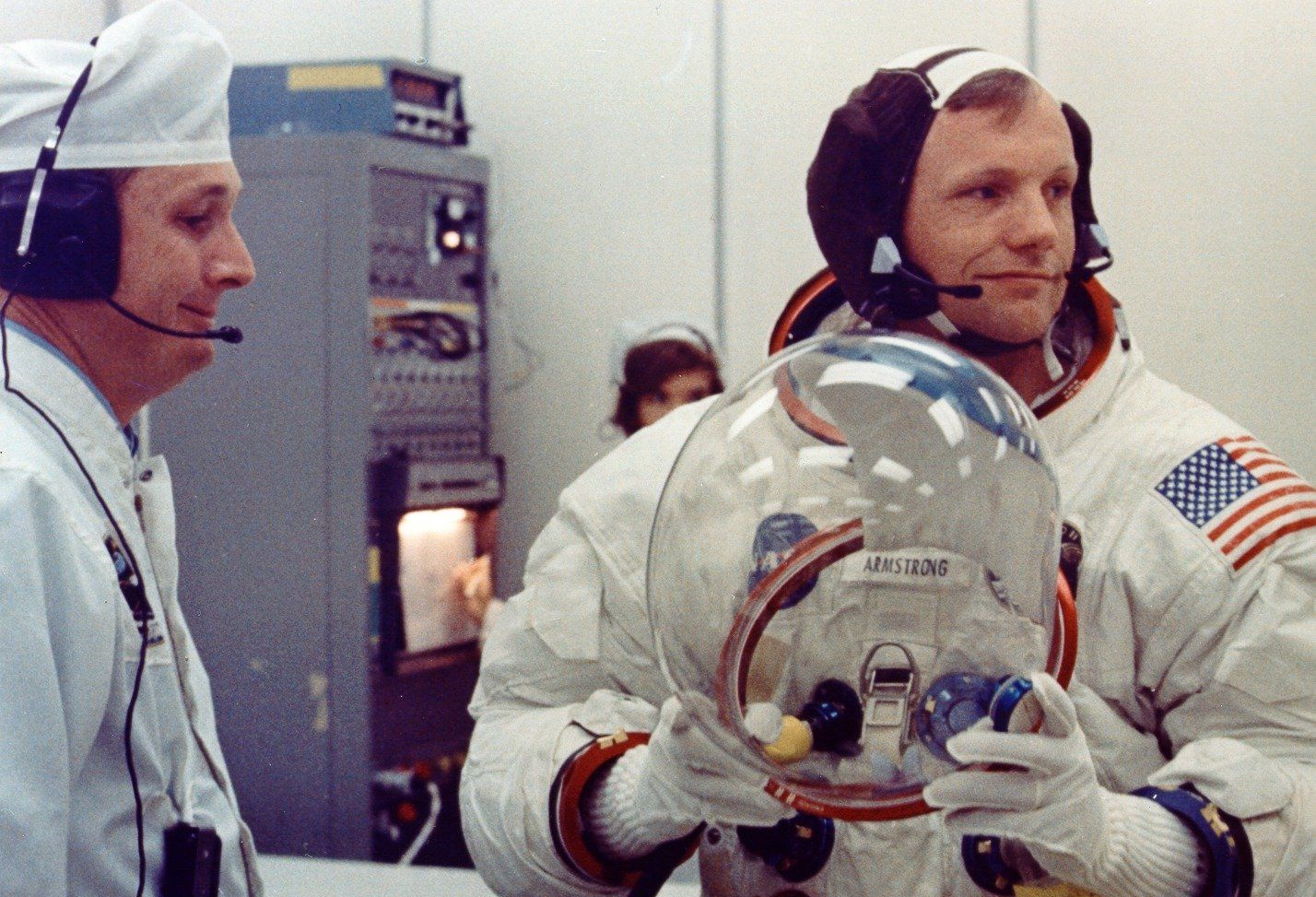
A number of conspiracy theories have surfaced involving Armstrong and extraterrestrial life. One notable rumor is that NASA censored two-minutes of radio communications between Houston and the Apollo 11 crew where Armstrong and Aldrin are discussing alien spaceships near a lunar crater. The reality is that these "missing" two-minutes do not exist. All radio communications are accounted for, except when radio signal was lost during scheduled blackouts when the spacecraft was going around the far side of the Moon. Even then, NASA could not "secretly" talk to the crew during that time. The rumor has grown greatly over the internet and on social media. The complete unedited audio transcripts and recordings are publicly available. Apollo 11 radio signals were also not encrypted, anyone with a ham radio, including the Soviet Union, could listen to these communications.
Myth: Armstrong heard the Muslim call to prayer while he was on the lunar surface and converted to Islam.
This rumor began spreading heavily in the early 1980s around the Middle East, Africa, Indonesia, and Malaysia. The legend spread so quickly that Armstrong's private aide and the U.S. State Department had to release official statements stating that Armstrong's conversion to Islam was false. There were no communications from Armstrong saying that he heard "strange sounds" and "an unknown language" during his expedition on the Moon. Armstrong also denied the conversion to Islam in his 2005 biography. Additionally, after his death in 2012, Armstrong was cremated and buried at sea, a burial practice that is strictly forbidden in Islam.
Myth: While walking on the Moon, Armstrong said, "Good luck, Mr. Gorsky," making a vulgar reference about his old neighbor.
As the urban legend goes, when Armstrong was a kid, him and his brother were playing baseball outside in their yard. The ball went flying into the neighbors yard. As Neil went over to retrieve the ball, he overheard his neighbor, Mrs. Gorsky, yelling at her husband saying how the only way he'd get "lucky" is if the neighbor boy walks on the Moon. Remembering the encounter decades later, he wished Mr. Gorsky good luck, fulfilling the wife's farfetched deal. In reality, Armstrong never said the phrase on the lunar surface, NASA audio recordings back this up. Along with this, the Armstrong family never lived next to any "Gorsky" residents while growing up. The urban legend began spreading in the mid-1990s, when the comedian Buddy Hackett told the fictitious joke as part of a stand-up routine. The joke became very popular, with reporters asking Armstrong himself in press conferences if the story was true.
Myth: After the Moon landing, Armstrong became reclusive and shut out the world due to his fame and notoriety.
While Armstrong was a private and humble person, by no means would he have been considered reclusive, withdrawn, or a hermit. In the decades after Apollo 11, Armstrong attended numerous speaking engagements, conferences, and other public events. He also sporadically gave interviews to journalists and sat on the board of several companies in his post-NASA career. Around 1994, Armstrong did stop signing autographs for the public. This, however, was not because he became reclusive, but rather because with the rise of the internet, individuals were profiting off of the signatures he signed and forged signatures began flooding the market as well.
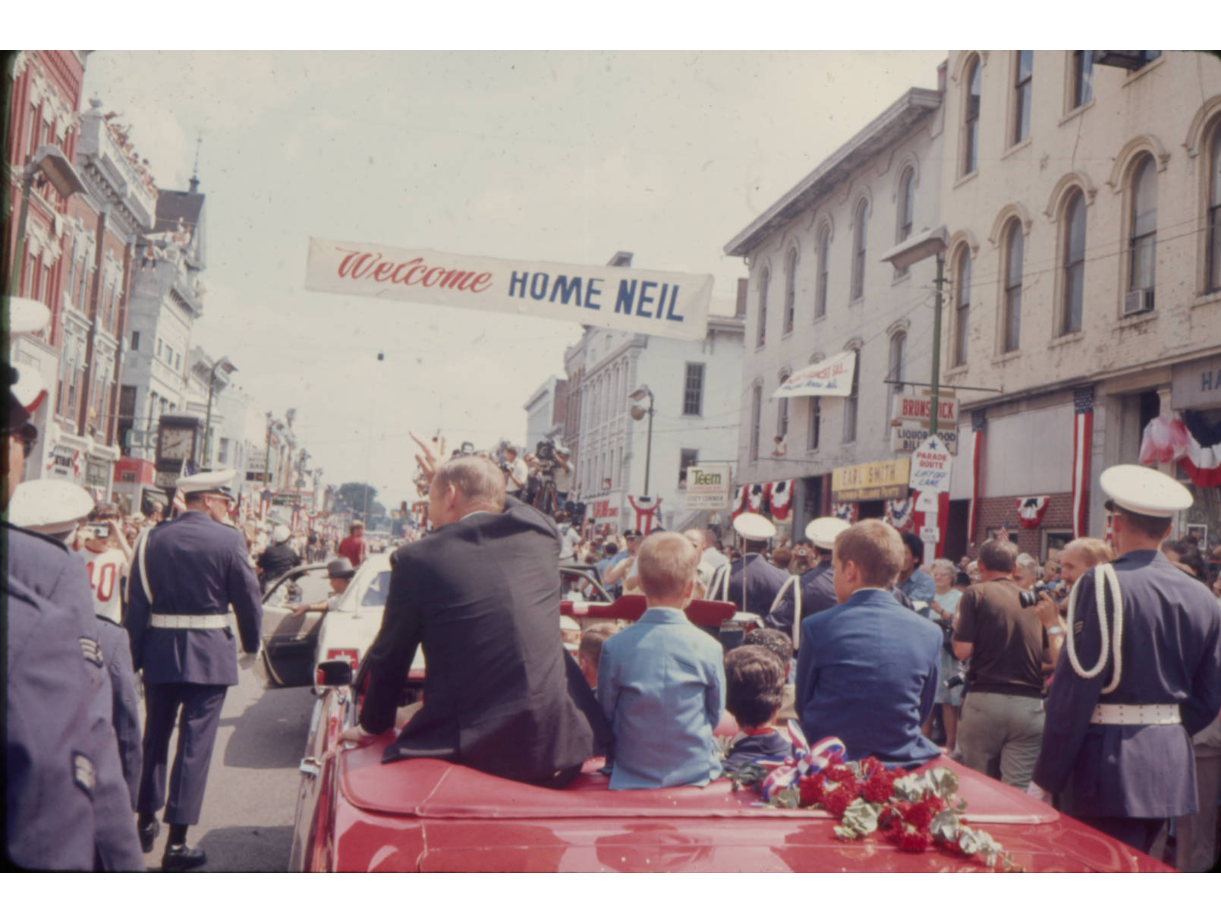
Myth: Armstrong despised visiting his hometown of Wapakoneta, Ohio and after 1969, never returned.
One local rumor in Ohio says that Armstrong had an extreme displeasure for his hometown and never returned because he disliked the local attention. By no means did Armstrong "despise" Wapakoneta, having returned to the city many times. His parents, Stephen and Viola Armstrong, lived in Wapakoneta for decades after the Moon landing and Neil visited them often. Neil did, however, keep his appearances relatively quiet, not wanting to cause too much attention. Neil visited Wapakoneta for other occasions like school reunions and to loan items to the Armstrong Air & Space Museum, also located in Wapakoneta.
share this
Related Articles
Related Articles